How to Dispose of Old Camping Gear in Dubai: Gas Canisters, Tents and Desert-Worn Kit
Desert camping kit wears out fast in the sun and sand. Deal with gas canisters and batteries first, then sort tents, chairs and cool boxes into reuse, metal and waste.
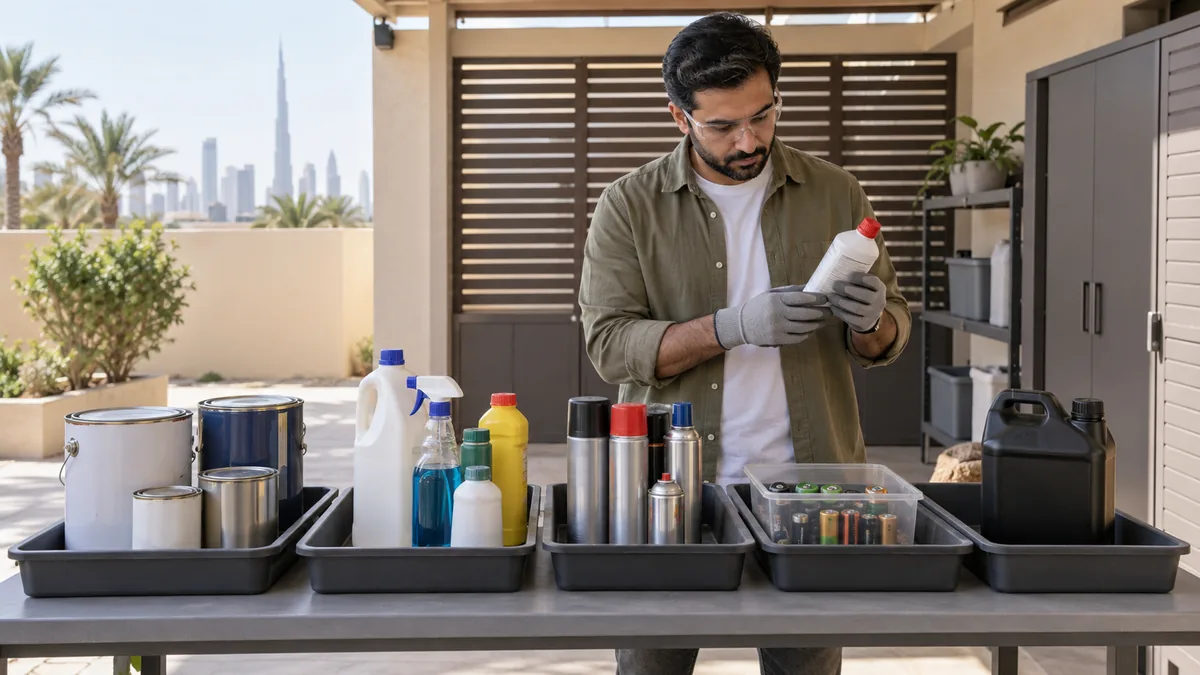
Fuel canisters and batteries come out of the load first; neither belongs in a bin, a chute or a collection truck mixed with other junk.
Pinch-test old tent fabric: if UV damage makes it tear like paper, the tent is waste even when it looks fine.
Rigid cool boxes, metal-framed chairs and sound tents resell well before the winter camping season.
How do you dispose of old camping gear in Dubai?
Separate fuel and batteries first: gas canisters go to a hazardous or specialist route, and lanterns, power banks and power stations go to e-waste. Then test tents and shade for sun damage. Offer sound tents, chairs and cool boxes for reuse before winter, send metal poles and frames for recovery, and bag sand-filled worn fabric as waste.
Camping in Dubai means desert weekends between roughly October and March, so the same kit spends half the year in a hot garage and the other half in sand and sun. That combination ages gear faster than in milder climates, and it is why so much of it ends up in villa garage clear-outs.
Deal with fuel and batteries first
Small butane cartridges for camping stoves, screw-on gas canisters and lighter fluid are the dangerous part of any camping clear-out. Never puncture or crush a canister, never put one in a household bin, and never send one down a tower chute, where compaction can rupture it. Even a canister that feels empty can hold residual gas. Keep them upright in a shaded, ventilated spot and use a hazardous waste route; our household hazardous waste guide explains how. Larger barbecue gas cylinders are covered in the barbecue disposal guide.
Rechargeable lanterns, head torches, fans, power banks and portable power stations all contain batteries, usually lithium. Remove loose batteries, tape the terminals and set aside anything swollen or heat-damaged without charging it. These go through an electronics recycling route, not general waste.
Tell the collector about fuel
If any canisters or batteries are still in the garage when the crew arrives, point them out before loading begins. A pressurised canister hidden inside a tent bag is the single most avoidable hazard in a camping clear-out.
Tents and shade: what sun and sand do to fabric
Polyester and nylon tents lose strength under strong UV long before they look worn. Pinch a sun-exposed panel and pull gently; if it tears like paper or flakes, the tent is finished. Check zips too, because fine sand grinds the teeth and sliders until they no longer close. Shake sand out outdoors, never inside an apartment, where it ends up in the AC returns and the lift tracks.
Poles decide what can be salvaged. Aluminium poles and steel pegs are recoverable metal. Fibreglass poles crack into sharp splinters, so tape broken ends before bagging them. A sound tent with all its poles, pegs and fly is worth offering through community groups in September and October, when desert-camping season starts and demand peaks.
Sleeping bags, mats, chairs and cool boxes
Sleeping bags are bulky textiles, and many clothing collections do not accept them, so check with the bin or charity operator first; our clothes donation guide explains what textile routes usually take. Self-inflating and foam mats with failed valves or crumbling foam go as general waste.
Folding chairs split easily: steel or aluminium frames for metal recovery, sun-rotted fabric for waste. Rigid cool boxes are among the easiest camping items to pass on if they are clean and dry, but check for mould in the lid seal and drain plug. Electric cool boxes and 12-volt fridges are electrical items and go the same way as other small appliances.
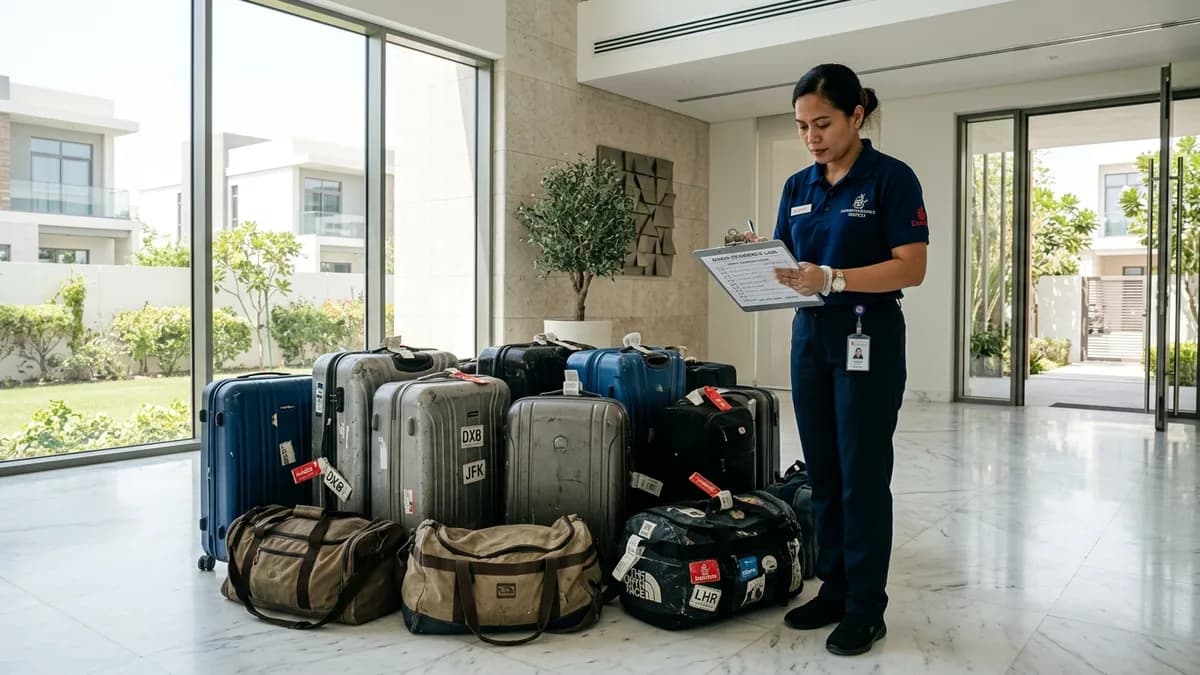
Emptying and listing every bag before collection keeps fuel canisters and batteries out of the load.
Selling, gifting or arranging a collection
Group usable gear into a complete bundle, such as tent, chairs and cool box, because a starter kit is easier to sell or give away than single pieces. Desert-camping groups and online classifieds move well-kept gear quickly in the run-up to winter. Anything that has not found a taker by your deadline should go in one organised collection rather than drifting back into the garage.
If the camping kit is part of a wider sort-out, the garage clearance guide covers the rest of the space. Once fuel and batteries are set aside, send a photo of the remaining load through our household junk removal service for a fixed quote.
Can I throw empty gas canisters in the bin in Dubai?
Avoid it. A canister that seems empty can still contain gas, and bins, chutes and collection trucks compact their load. Keep canisters upright in a shaded, ventilated place and ask a hazardous-waste or specialist collection point how it accepts them. Never puncture one yourself.
Do I need to clean sand out of camping gear before collection?
Shake out loose sand outdoors and empty bags and tents, but there is no need to wash gear that is going for disposal. Clean gear matters only if you are selling or donating it. Removing sand before carrying kit through a building protects corridors, lifts and the AC system.
Can old tents be recycled?
Tent fabric is usually a coated polyester or nylon that household recycling does not take, so a worn-out tent is generally residual waste. Metal poles, pegs and frames can be separated for metal recovery. A tent in sound condition is better offered for reuse before the camping season.
Planning a clearance in Dubai?
Send photos of what you need cleared on WhatsApp. Our team provides an instant, fixed upfront rate and handles elevator bookings and gate security smoothly.
Specialists in residential and commercial clearances across Dubai since 2016. Committed to safe property handovers, compliant electronic waste disposal, and municipal green waste diversion.
 Ask a Question