How to Dispose of an Old Vacuum Cleaner in Dubai: Cordless Batteries, Robot Docks and Small Appliance E-Waste
Dust canisters, clogged filters and lithium battery packs make old vacuum cleaners tricky to clear. Here is how to prepare cordless stick, robot and cylinder vacuums for certified e-waste recycling in Dubai.
Never drop a vacuum cleaner down a high-rise trash chute or into a general community dumpster due to fire risks and municipal regulations.
Cordless stick vacuums and robot cleaners contain rechargeable lithium-ion battery packs that must be isolated or marked for dedicated battery recycling.
Empty dust canisters and bag old HEPA filters in a sealed sack before disposal to avoid dispersing desert dust and allergens during transport.
Working vacuums can be passed on to building maintenance or domestic staff, while broken machines enter certified electronic scrap recovery.
How do you dispose of an old vacuum cleaner in Dubai?
To dispose of an old vacuum cleaner in Dubai, empty the dust canister, detach the battery pack from cordless models, and wind cords securely. Take functional vacuums to charity drop-offs, deliver broken units to municipal e-waste recycling kiosks, or schedule an on-demand appliance pickup with a licensed junk removal team.
Vacuum cleaners in Dubai endure extreme operating conditions. Between fine desert dust penetrating balcony seals and frequent villa deep cleans, motors eventually burn out, hoses crack in the summer heat, and rechargeable battery packs lose their runtime. When replacement parts cost more than a new unit, getting rid of an old vacuum cleaner requires following specific e-waste protocols because appliances cannot be mixed with regular domestic rubbish.
The lithium battery hazard in cordless and robot vacuums
Modern cordless stick vacuums and automated robot cleaners rely on high-capacity lithium-ion or lithium-polymer battery packs. Under Dubai Law No. 18 of 2024 on Waste Management, throwing rechargeable batteries into general waste bins or residential chute hoppers is strictly prohibited. When waste compactor trucks crush general garbage bags, punctured lithium cells spark intense, chemical-fueled fires that put municipal workers and vehicles at grave risk.
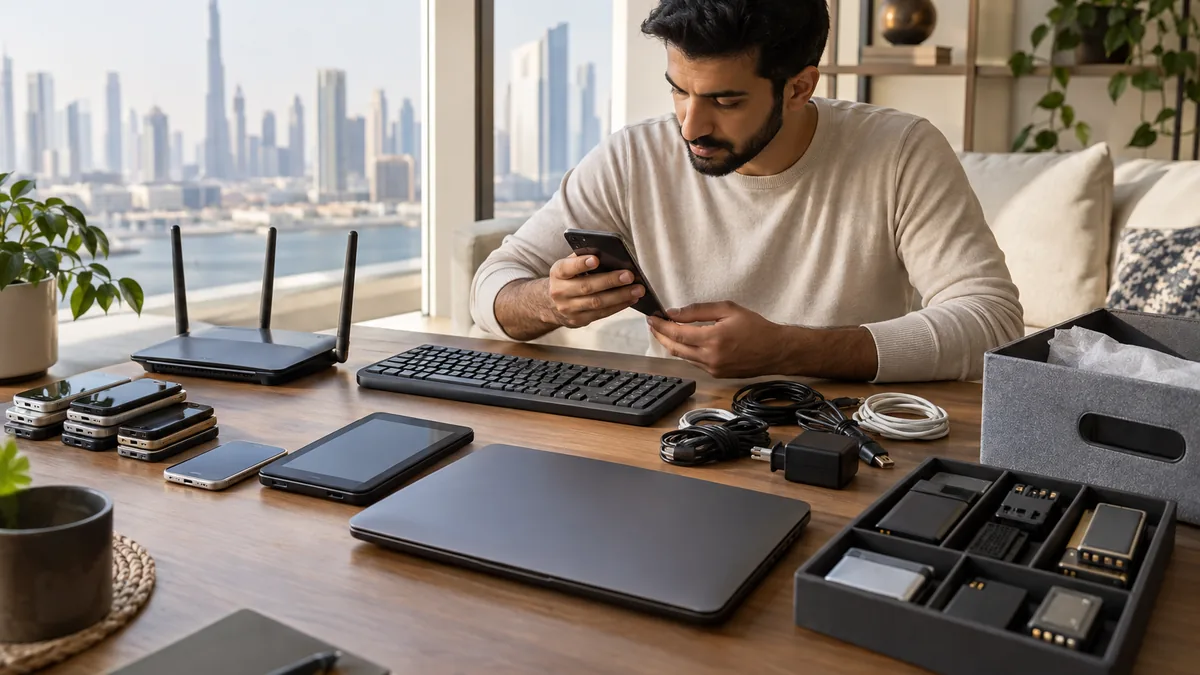
Before parting with a cordless stick vacuum, locate the quick-release battery latch and unclip the battery module. If the battery is integrated or screwed into the handle, keep the whole handheld unit separate from metal scrap loads and cover the external metal charging pins with electrical tape. Store depleted batteries in a cool, shaded spot indoors rather than on an unshaded balcony, where scorching mid-day heat can trigger thermal runaway.
Swollen or hot battery warning
If a cordless vacuum or robot cleaner battery looks swollen, feels hot to the touch, or emits a sweet chemical smell, stop charging it immediately. Never place a bulging lithium battery in an enclosed drawer or a general recycling kiosk. Transport it carefully in a non-combustible container filled with sand to an authorized hazardous waste drop-off point.
Preparing the vacuum before collection or drop-off
Taking five minutes to prep an old vacuum cleaner makes handling hygienic and prevents fine silica dust from coating your car boot or the service corridor. For bagless vacuums, empty the dirt canister into a garbage bag, tap it clean, and wipe the interior seals. For bagged cylinder models, remove the full dust bag, seal its cardboard collar flap, and bin it with ordinary domestic refuse.
Old HEPA and pre-motor filters hold concentrated fine dust, pet dander, and allergens. Wrap the used filters in a plastic shopping bag so they do not dislodge while in transit. Wind the power cord neatly around the cord clips on uprights, or tap the cord-rewind pedal on cylinder models. Group extension wands, floor heads, motorized upholstery brushes, and docking stations together with masking tape so attachments do not scatter.
Separating copper cables, plastic housing, and motor windings ensures maximum material recovery.
Disposal pathways: donation, drop-off, or collection
Depending on whether the machine still powers on and maintains suction, there are three practical routes to clear an old vacuum in Dubai. Functional corded or stick vacuums are in high demand among villa maintenance contractors, security guards, and domestic workers. Offering a working unit through community swap groups or to your building facility team saves a usable machine from the waste stream.
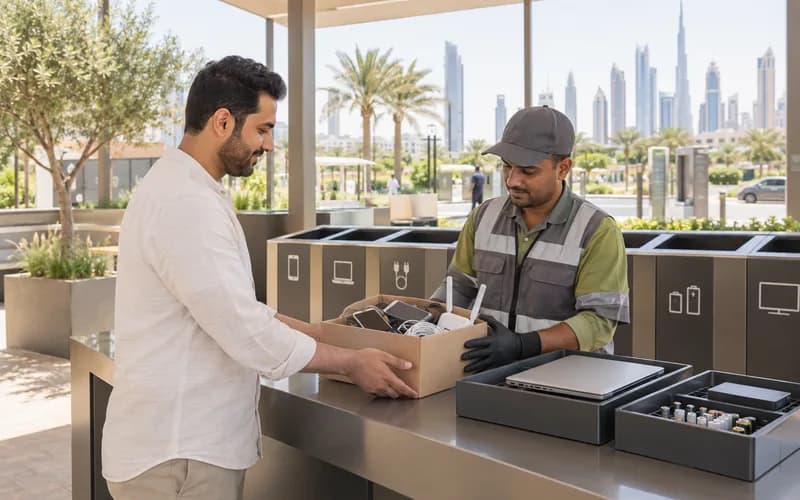
For broken machines, check the recycling hubs located at select shopping malls, municipal centres, and retail electronics stores across Dubai. These take small electrical appliances and detached batteries free of charge. If you have a bulkier canister vacuum, a heavy commercial wet-and-dry shop vacuum, or multiple appliances to clear, booking a professional junk collection service ensures everything is carted away and routed to licensed material recovery plants.
Vacuum cleaner models and recommended disposal routes in Dubai
Vacuum Type
Key Component Challenge
Recommended Route
Cordless stick vacuum
Detachable lithium-ion battery module
Battery to dedicated battery kiosk; bare unit to e-waste collector
Robot vacuum & auto-empty dock
Rechargeable battery, printed circuit board, motor base
Electronics recycling drop-off or complete appliance pickup
Corded cylinder or canister
Heavy copper electric motor, long retractable cable
Scrap metal / appliance recovery; motor copper harvested
Upright vacuum cleaner
Rotating brush roll motor, heavy plastic chassis
Small appliance recycling depot or professional junk removal
Wet & dry industrial shop vac
High-capacity drum, oily residue, large motor
Dedicated commercial junk clearance or municipality bulk collection
What happens to a recycled vacuum cleaner in Dubai?
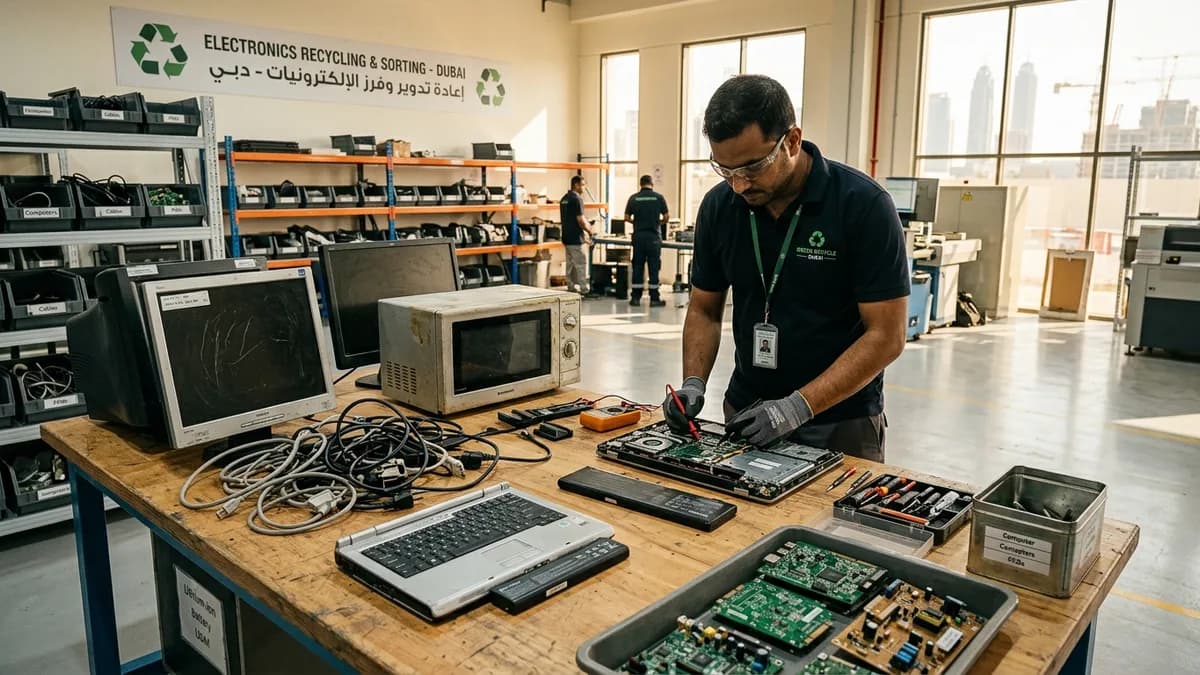
Once received at an authorized electronic and appliance dismantling facility, vacuum cleaners are systematically disassembled into primary material fractions. Copper wire from motor armatures is stripped and melted into clean ingots. Extruded aluminium extension pipes and steel fasteners are sorted for metallurgy, while clean ABS and polypropylene exterior casings are shredded into plastic flakes for manufacturing.
Printed circuit boards from digital stick and robot vacuums undergo specialized refining to recover trace precious metals. Diverting small appliances from landfills reduces environmental toxicity and conserves valuable manufacturing resources across the UAE. If you have other small electronics leaving at the same time, check our Dubai electronics recycling guide and our review of Dubai waste disposal rules.
Can I throw a broken vacuum cleaner into my building's bin room?
No. Building management rules and Dubai Law No. 18 of 2024 classify electrical appliances as electronic waste (e-waste). They cannot be mixed with municipal wet waste in residential bin rooms or dropped down garbage chutes, which risks compactor damage and building fines.
Do charities in Dubai accept used vacuum cleaners?
Charities accept vacuum cleaners only if they are fully functional, thoroughly cleaned, and supplied with all essential attachments and power cords. Broken or poorly performing vacuums are turned down, as charities lack in-house appliance repair workshops.
Where can I drop off detached cordless vacuum batteries?
Detached lithium-ion batteries can be placed in specialized battery recycling bins located inside major retail electronics chains, supermarket eco-corners, and Dubai Municipality smart recycling centres across communities like Al Barsha, Umm Suqeim, and Mirdif.
Planning a clearance in Dubai?
Send photos of what you need cleared on WhatsApp. Our team provides an instant, fixed upfront rate and handles elevator bookings and gate security smoothly.
Specialists in residential and commercial clearances across Dubai since 2016. Committed to safe property handovers, compliant electronic waste disposal, and municipal green waste diversion.
 Ask a Question