Where Does Your Junk Actually Go After Removal in Dubai?
A transparent look into what happens after your junk is collected in Dubai: licensed sorting yards, certified recycling facilities, registered charity donations, and municipal waste-to-energy plants.
Reputable Dubai clearance teams route trucks directly to licensed sorting depots in Al Quoz or Dubai Industrial City before any disposal decision is made.
Reusable furniture and functional appliances are redirected to registered UAE charitable organizations like Beit Al Khair Society and Emirates Red Crescent.
Metals, clean timber, rigid plastics, and corrugated cardboard are separated and transferred to certified UAE material recovery plants.
Electronic waste and refrigerators undergo closed-loop degassing and hazardous component separation at licensed e-waste hubs like Enviroserve.
Hiring unlicensed 'free collection' trucks often leads to illegal desert fly-tipping around Al Qudra or industrial bypasses, exposing residents to municipal fines.
Where does junk go after removal in Dubai?
After removal in Dubai, reputable clearance companies transport collected items to specialized sorting depots where materials are separated into reusable charity donations, certified recyclables (metals, plastics, clean timber), and municipal landfill transfer stations, preventing illegal desert fly-tipping and maximizing waste diversion under Dubai's 2041 sustainability targets.
When a removal truck drives away from your building in Dubai Marina, Downtown, or Arabian Ranches, the clearance process is only half complete. What happens over the following two hours dictates whether your unwanted possessions contribute to the UAE circular economy or end up in a landfill.
Step 1: The triage and sorting process at the depot
Building management rules across Dubai strictly prohibit sorting junk in residential corridors, loading bays, or basement parking spaces. For this reason, professional crews load items securely and drive immediately to private, licensed consolidation yards located in Al Quoz Industrial Area or Dubai Industrial City.
At the depot, each truckload is unloaded onto covered staging floors where trained staff inspect every piece across four discrete categories:
Why On-Site Sorting Is Banned in Dubai Towers
Most Dubai tower security desks enforce strict 45-minute loading bay limits. Crews must dismantle furniture upstairs, load swiftly into the vehicle, and perform all sorting off-site at licensed industrial depots.
Charity & Second-Life Reusables: Structurally sound sofas, solid wood dining tables, undamaged office desks, and working domestic appliances.
Raw Recyclable Fractions: Clean timber, scrap aluminum, copper wiring, steel bed frames, cardboard cartons, and rigid packaging plastics.
Specialized Electronic & Hazardous Waste: Air conditioning units, compressors, water heaters, and computer hardware requiring specialized dismantling.
Residual Municipal Solid Waste: Heavily soiled upholstery, damaged composite chipboard, shattered glass, and non-recyclable domestic refuse.
Step 2: Charity donation and second-life diversion
Before sending anything to material processors, salvageable goods are set aside for reuse. Dubai has an active network of humanitarian societies that redistribute household goods to lower-income families, community workers, and charitable housing initiatives.
Gently used furniture, clean mattresses without stains, and operational washing machines or refrigerators are delivered to certified UAE charities, including Beit Al Khair Society and Emirates Red Crescent donation depots. Items that require minor touch-ups are often refurbished by local carpentry workshops rather than discarded.
Step 3: Certified material recycling and recovery hubs
Items that cannot be reused in their current state are broken down into base materials. In line with the Dubai Integrated Waste Management Strategy 2041, which targets diversion of 75%+ of municipal waste from landfills, clearance operators partner with licensed domestic recyclers:
Material streams, processing facilities, and recovery outcomes in Dubai
Material Stream
Primary UAE Processing Facility
Recycled End Product
Scrap Steel & Iron
Industrial electric arc furnaces (Jebel Ali / DIC)
Reinforcing rebar for local construction projects
Aluminum & Copper
Non-ferrous smelters in Al Quoz & Sharjah
Cast ingots, new electrical cables, and aluminum cans
Solid Wood & Pallets
Industrial wood chipping facilities (Al Quoz)
Landscaping woodchips, mulch, and particleboard cores
Refrigeration & E-Waste
The Recycling Hub by Enviroserve (Dubai Industrial City)
Degassed copper coils, shredded circuit boards, and safe plastics
Cardboard & Paper
Union Paper Mills and regional pulping facilities
New corrugated shipping boxes and packaging egg trays
Residual Refuse
Dubai Waste-to-Energy Plant (Warsan) / Al Qusais Landfill
Clean electrical grid energy or engineered municipal containment
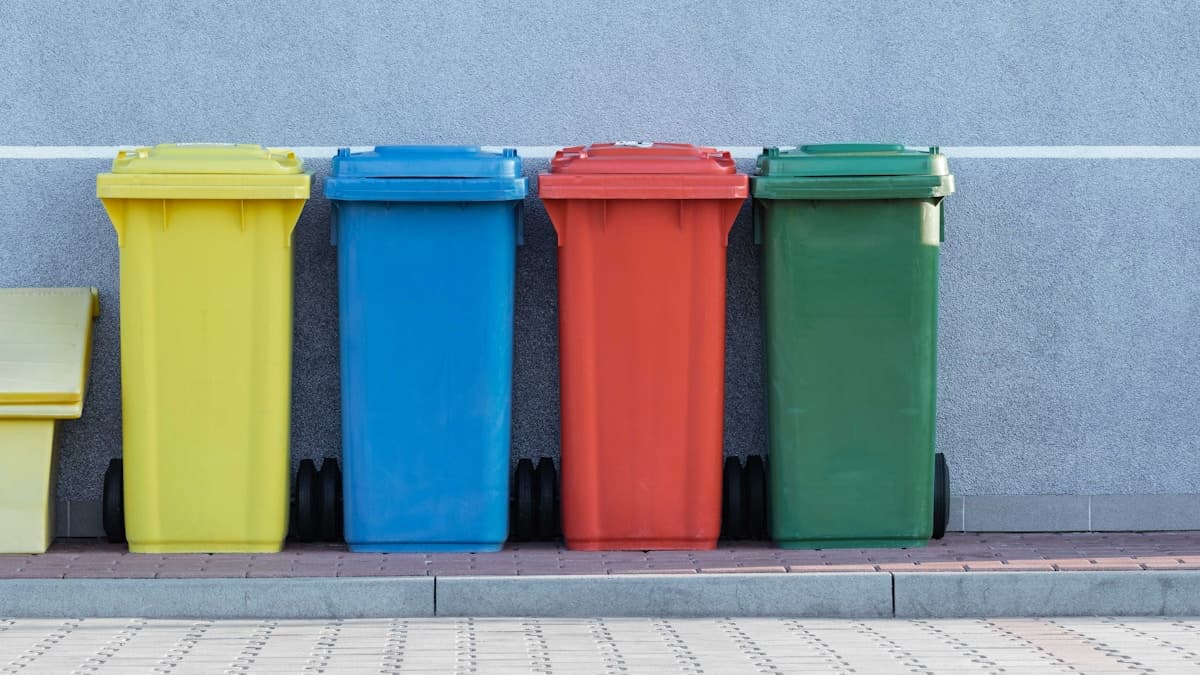
Materials collected across Dubai are segregated into timber, scrap metal, paper, and electrical streams to maximize municipal landfill diversion.
The hidden risk of illegal dumping and desert fly-tipping
Not all junk collectors follow this rigorous pathway. Unlicensed 'man-with-a-van' freelancers advertising 'free junk collection' on classified forums often operate without commercial trade licenses or municipality disposal permits.
Because commercial tipping fees at municipal transfer stations cost money, rogue operators frequently strip valuable scrap metal (such as copper cables from split ACs) and dump the remaining mattresses, broken wardrobes, and synthetic rugs in open desert areas around Al Qudra, Lehbab, or unmonitored bypass roads.
Under Dubai Municipality Local Order No. 11 of 2003 and Executive Council Resolution No. 58 of 2017, illegal dumping carries fines ranging from AED 1,000 to AED 10,000. When dumped items contain address labels, building delivery slips, or traceable documents, municipal inspectors hold the original property tenant legally liable.
Tenant Liability for Fly-Tipped Waste
Never hand your unwanted furniture to unlicensed street pickers. If your items are fly-tipped in the desert and traced back through old courier labels or tower CCTV, Dubai Municipality fines are issued directly to the tenant or property owner.
Transparent, eco-friendly property clearance across Dubai
Dubai Junk Collection operates under strict municipal compliance. Every load we collect from residential villas, high-rise apartments, and commercial offices is cataloged, consolidated, and routed through verified recycling depots and humanitarian partners.
Whether you are clearing out a single broken sofa or an entire five-bedroom villa in Arabian Ranches, our uniformed team ensures responsible, traceably documented disposal. Send us photos of your items on WhatsApp for an instant, fixed quote.
Frequently Asked Questions
How can I verify that my junk will not be illegally dumped in the Dubai desert?
Book exclusively with licensed UAE commercial clearance companies operating registered commercial vehicles with DED trade licenses. Legitimate operators pay municipal tipping and depot fees and can confirm their sorting facilities in industrial areas like Al Quoz or Dubai Industrial City.
What percentage of collected junk in Dubai actually gets recycled or donated?
For typical residential cleanouts, between 60% and 75% of materials by weight are diverted from landfills through metal scrap smelters, timber chipping, cardboard recycling, and charity donations, with the remaining non-recyclable residue sent to municipal waste-to-energy facilities.
Do junk removal companies provide recycling disposal certificates in Dubai?
Yes, for commercial corporate clearances, office decommissioning, and certified IT asset disposal (ITAD), licensed operators provide formal waste destruction and recycling manifests detailing serial numbers, weights, and destination facilities.
What happens to old refrigerators and air conditioners after collection?
Refrigerators and AC units contain ozone-depleting refrigerants (CFCs/HFCs) and compressor oils. They are transported to specialized UAE recycling plants where gases are evacuated in closed-loop recovery systems before copper and steel scrap is sheared and melted.
Planning a clearance in Dubai?
Send photos of what you need cleared on WhatsApp. Our team provides an instant, fixed upfront rate and handles elevator bookings and gate security smoothly.
Tags:#Where Does Junk Go in Dubai#Eco Friendly Junk Disposal Dubai#Dubai Recycling#Waste Diversion Dubai
Dubai Junk Collection Editorial Team
Operations & Pricing Specialists
Specialists in residential and commercial clearances across Dubai since 2016. Committed to safe property handovers, compliant electronic waste disposal, and municipal green waste diversion.
 Ask a Question