Sustainable Decluttering Tips Dubai: A Low-Waste Plan
Reduce waste before collection by protecting reuse value, repairing simple faults, matching items to confirmed recipients, and separating recyclable material.
Preventing an unwanted purchase and keeping a useful item in service usually saves more material than deciding how to discard it later.
Work down a route hierarchy: keep, repair, rehome, donate, recycle, then use general removal only for the remainder.
Protect reuse value by keeping furniture dry, matching accessories to appliances, and describing faults honestly before offering an item.
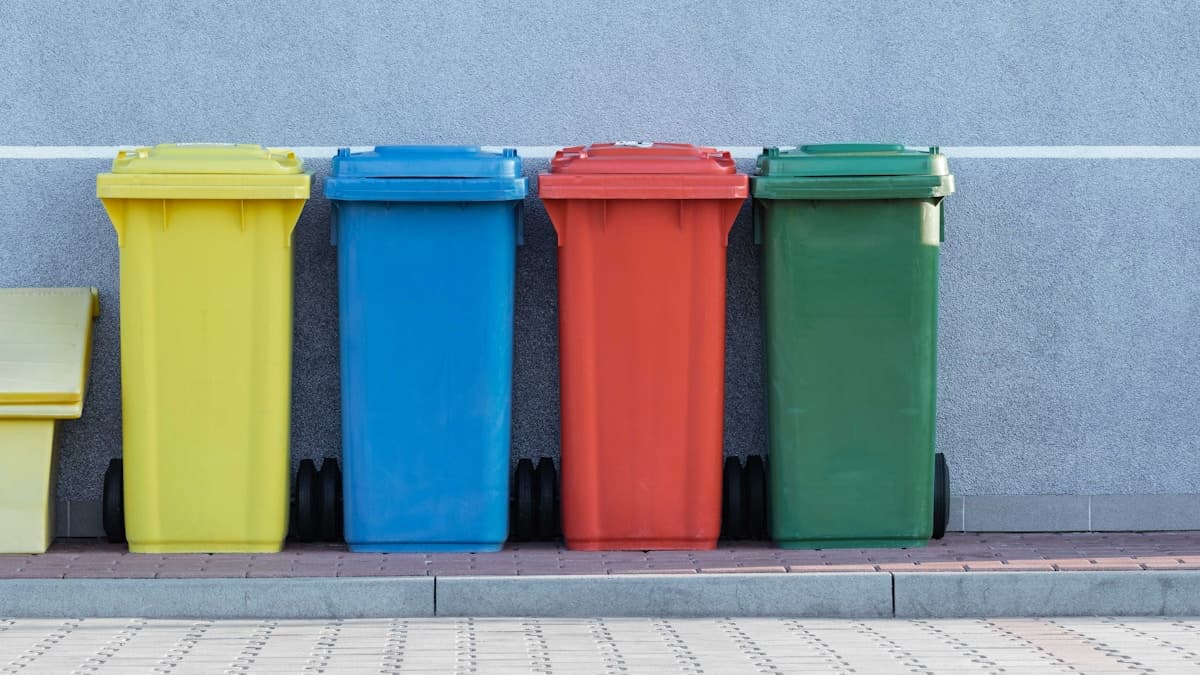
Separate clean cardboard, electronics, textiles, metals, and residual material before food, liquids, or outdoor storage can contaminate them.
A confirmed recipient, deadline, and fallback route are more sustainable than hopeful piles that eventually become an urgent mixed load.
Start sustainable decluttering before the discard pile
Sustainable decluttering in Dubai starts by reducing what enters the home, repairing simple faults, and keeping usable items complete. For everything leaving, work through reuse, donation, recycling, and only then residual removal. Set confirmed destinations and deadlines early, because a rushed mixed load at move-out loses the most reuse and recovery value.
The goal is not to keep every object or turn the home into a recycling depot. It is to preserve the highest realistic value of each item without missing the deadline. A chair someone will collect this week has a reuse route; a chair offered indefinitely while it deteriorates on a balcony does not.
Use a destination test
A route counts only when you can name who accepts the item, what condition they require, when it leaves, and what happens if they decline. Without those four answers, the object is still undecided clutter.
Work down the value hierarchy
Start with the option that keeps the most useful life in the item, then move down only when it is impractical. This avoids the common mistake of sending a repairable appliance straight to material recycling or spending weeks trying to donate something no recipient will accept.
Low-waste route hierarchy for household items
Route
Use it when
Proof the route is real
Keep or avoid replacing
The item still meets the need
It has a defined place and regular use
Repair
A safe, simple repair restores useful life
Parts, technician, cost, and repair date are confirmed
Sell or give directly
The item is clean, complete, and desirable
Recipient and collection time are agreed
Donate
A named organisation confirms the category and condition
Photo approval and handover requirements are clear
Recycle
Reuse is not viable and a facility accepts the material
The exact stream and receiving point are confirmed
Remove as residual
The item is rejected, contaminated, composite, or deadline-sensitive
Collector states the accepted scope and destination
Preserve value before finding a recipient
Keep manuals, power cords, remote controls, shelves, fittings, and mounting hardware with the correct item. Photograph furniture in daylight, show damage, add dimensions, and state the floor and lifting requirement. A complete honest listing attracts the right recipient and prevents a rejected pickup after the item has already blocked the hallway.
Clean only with methods suitable for the material and let everything dry. Tighten a loose handle, replace an ordinary approved bulb, or attach a missing foot when the repair is safe and proportionate. Do not improvise repairs to gas appliances, refrigerant systems, swollen batteries, damaged mains cables, or structural furniture; those need qualified assessment or a specialist route.
Keep upholstered furniture indoors and dry while waiting for its confirmed collection.
Bag hardware and tape the bag to the matching dismantled item without damaging the finish.
Remove personal data and accounts from electronics before reuse or recycling.
Cancel an unproductive sale or donation attempt at the fallback date rather than carrying it into handover day.
Sort by destination after making decisions
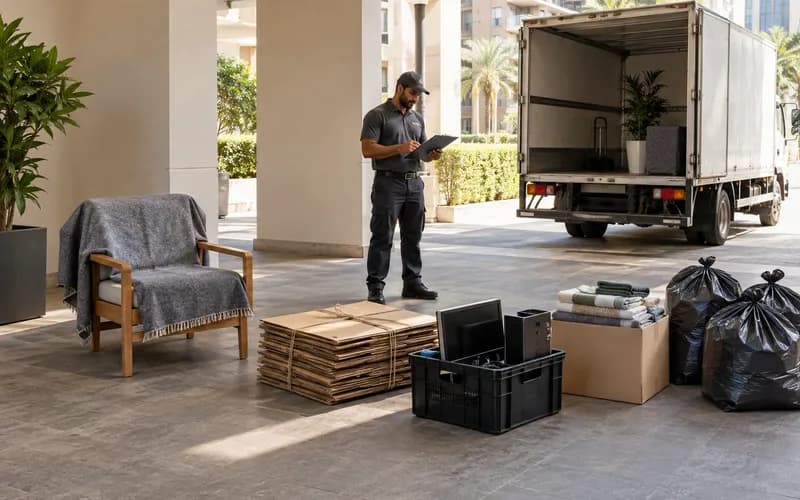
Declutter room by room if that makes decisions easier, but consolidate outgoing items by destination. Keep confirmed donations together, clean recycling separated by stream, electronics dry and intact, and residual material contained. Never add food, wet waste, paint, chemicals, batteries, medical sharps, or unknown liquids to a general household pile.
Use containers you already own before buying a new set of organising products. Reusable crates, existing cartons, old towels for protection, and clearly tied hardware bags are often enough. Flatten only clean cardboard with a confirmed route; boxes contaminated by food, oil, or moisture may not remain recyclable.
Give every route enough time to close
Start valuable resale items first, donation items next, and recycling or removal bookings before the final cleaning day. Direct reuse can take longer because buyers and recipients ask questions, reschedule, or reject an item on condition. A written cutoff prevents the most hopeful route from consuming the entire move-out window.
Dubai Municipality's Circle Dubai programme promotes reducing waste at source, source sorting, recycling, and circular-economy behaviour across residential and other sectors. The Municipality also publishes a current list of Recycle Centres. Those policies support the hierarchy, but each household still needs to confirm which local point accepts the exact material before travelling.
Ask a collector how the separated load will be handled
Send photos that show the groups separately rather than one dark pile. Ask which reusable items remain intact, which recyclable streams are kept apart, which materials are excluded, and what happens to the residual fraction. A credible answer should match the actual contents; vague promises that everything will be recycled are not useful.
Keep the separated groups inside the property until the vehicle and access are confirmed. At handover, point out the reusable chair, electronics crate, clean cardboard, textiles, and residual bags so they are not recombined by mistake. For a mixed household reset, Dubai Junk Collection can scope the accepted load and building route from a complete photo set.
Clear separation and a documented handover give reusable and recyclable items a better chance of reaching the intended route.
Is it sustainable to use storage instead of removing items?
Only when storage has a defined purpose and end date. Moving undecided items into a paid unit adds transport, space, and eventual handling without resolving the decision. List what is stored, why it will be used again, its retrieval date, and the monthly cost; otherwise choose a realistic reuse or removal route now.
What should I do with damaged flat-pack furniture?
Check whether a safe replacement fitting or panel can restore it. If the board is swollen, split, mouldy, or no longer structurally stable, do not advertise it as usable. Keep metal fittings separate only when the receiving route requests it, and arrange bulky removal rather than leaving dismantled panels beside communal bins.
Can unwanted plants and pots be added to a household load?
Declare them separately. Healthy plants may suit direct rehoming, while soil, roots, ceramic pots, plastic nursery pots, and dead green material can require different routes. Drain excess water, do not mix soil into clean cardboard or textiles, and confirm what the collector or garden-waste service accepts before loading.
How do I handle opened toiletries and cleaning products?
Do not donate leaking, expired, unlabelled, or partly used products unless a named recipient explicitly accepts them. Keep each product closed in its original container and follow label instructions. Concentrated cleaners, aerosols, solvents, and unknown liquids may need a specialist route and must stay out of ordinary donation, recycling, and junk loads.
Planning a clearance in Dubai?
Send photos of what you need cleared on WhatsApp. Our team provides an instant, fixed upfront rate and handles elevator bookings and gate security smoothly.
Tags:#Sustainable Decluttering Tips Dubai#Low-Waste Home Clearout#Reuse Before Recycling#Responsible Junk Collection
Dubai Junk Collection Editorial Team
Operations & Pricing Specialists
Specialists in residential and commercial clearances across Dubai since 2016. Committed to safe property handovers, compliant electronic waste disposal, and municipal green waste diversion.
 Ask a Question