How to Dispose of Old Plant Pots in Dubai: Soil, Ceramics and Large Planters
Large planters are three separate loads: the living plant, the soil and the container. Empty them in that order, control the weight and keep reusable materials clean.
Separate the plant, soil and container before deciding where each part should go.
Do not try to carry a large planter while it is full; wet soil can add far more weight than expected.
Clean plastic nursery pots may be reusable, while broken ceramic and concrete need a controlled heavy-material route.
Wrap cracked pots and mark sharp edges so nobody mistakes them for intact containers.
How do you dispose of old plant pots in Dubai?
Remove or rehome the plant, scoop the soil into small manageable bags and empty the drainage layer. Clean intact pots for reuse or return to a nursery where accepted. Stack light plastic pots; wrap broken ceramic; and book collection for heavy concrete, stone or oversized planters rather than leaving them beside community bins.
The practical answer to how to dispose of old plant pots in Dubai starts with weight. A decorative planter that two people can carry empty may be almost immovable after irrigation. Trying to drag it full can crack tiles, tear the base from the pot or leave a trail of wet soil through the villa.
Make three decisions, not one
First decide whether the plant can be saved. Healthy indoor plants and established outdoor specimens often find homes through neighbours, gardeners or community groups. Photograph the plant in daylight, state its approximate height and pot size, and disclose pests, root damage or recent pesticide treatment.
Next decide whether the soil is clean enough to reuse. Potting mix from a healthy plant can refresh beds or fill another container after roots and debris are removed. Soil affected by pests, disease, oil, paint or renovation dust should stay separate and follow the advice of the gardener or approved collector. Never tip unwanted soil into a storm drain, vacant plot or landscaped common area.
Sort planters by material after they are empty
Pot material
Reuse potential
Preparation for collection
Thin nursery plastic
High if clean and not brittle
Nest by size without crushing
Decorative plastic or fibreglass
Good if UV damage is limited
Remove soil and protect cracked edges
Terracotta or glazed ceramic
Good when intact
Wrap fragments and label as sharp
Concrete, stone or terrazzo
Good but difficult to move
Empty completely and declare weight and dimensions
Timber planter box
Depends on rot and liner condition
Remove liner and loose soil before dismantling
Empty a large planter without damaging the terrace
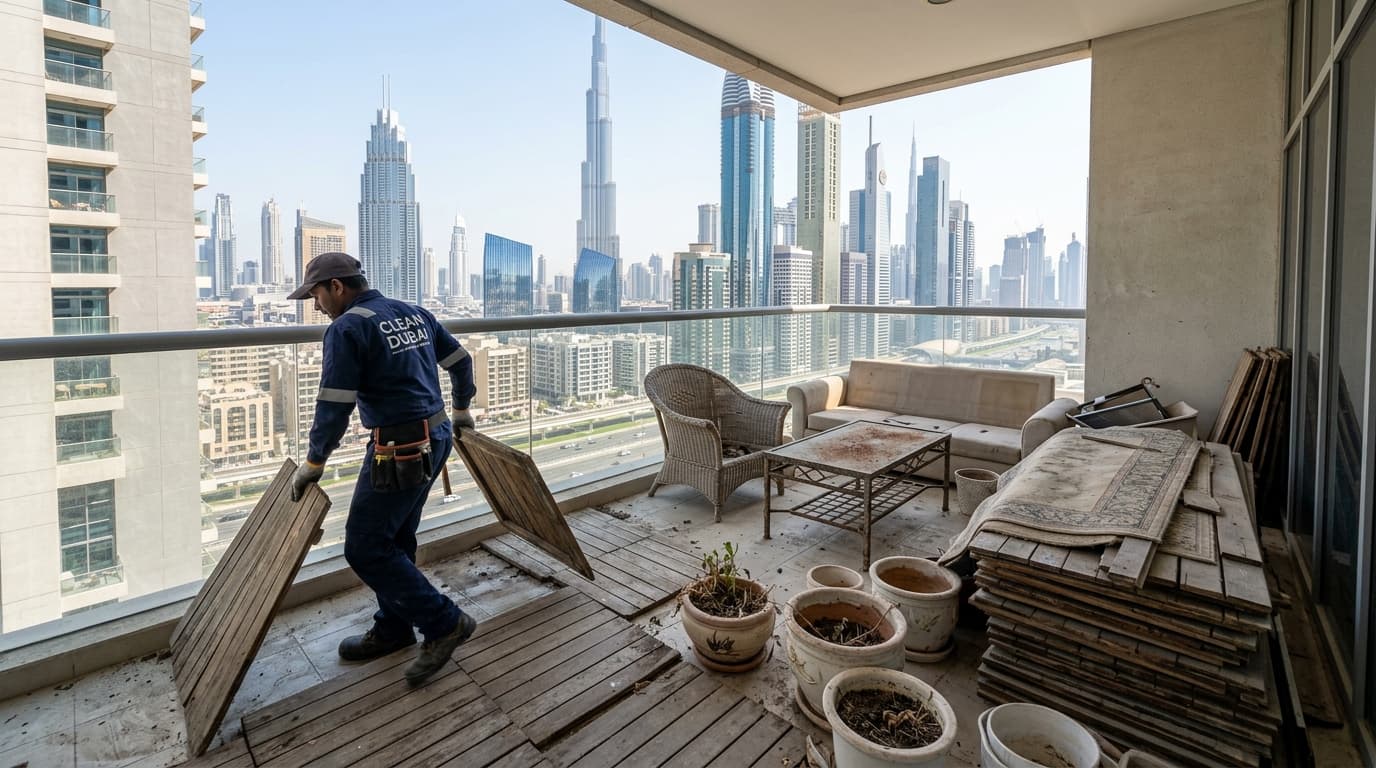
Stop watering a day or two before the job if the plant can tolerate it, so the soil is damp rather than saturated. Lay a tarp around the pot, remove decorative stones and scoop soil into several small bags. Do not fill one contractor sack to the top: soil is dense, and a bag that can be dragged may still be too heavy to lift safely.
For a plant being saved, loosen the root ball around the edge and have a gardener decide whether to lift, divide or cut the container away. Once empty, remove drainage crocks and wash only enough residue off to identify cracks and material. Keep muddy water away from balcony and storm-water drains, and protect lift floors before the planter moves.
Photograph access as well as the planter
For a concrete or stone pot, send the collector its height, widest diameter, location, steps and gate width. The access route often determines the equipment and crew size more than the pot itself.
Reuse intact pots and control broken ones
Intact pots are usually easier to give away as a grouped set, especially when they are empty and washed. Keep saucers and matching stands together. UV-brittle plastic that cracks when squeezed is finished; do not stack it under good pots where it will break during loading.
Broken terracotta and glazed ceramic create sharp, heavy fragments. Place small pieces in a rigid box or bucket rather than a thin bin bag, wrap large cracked sections and label the container. Concrete and stone planters may need a dolly, lifting straps or planned break-up after the soil is removed. Combine them with other garden items only after the collector has allowed for their weight.
Keeping soil and organic garden material separate prevents reusable pots and other items from becoming a muddy mixed load.
Small quantities may be accepted through a building's residual-waste system, but rules and weight limits vary. Reuse clean soil first, then ask management or the collector about the remainder. Never overload a bin bag or leave loose soil where it can block drains and dirty shared areas.
Can broken terracotta pots be recycled with glass?
No. Ceramics and terracotta melt differently from container glass and can contaminate a glass-recycling stream. Keep the fragments out of bottle bins, package sharp edges securely and use the disposal route specified by the building, municipality or collector.
How do I move a concrete planter that cannot be lifted?
Empty it fully and send the collector dimensions, photos and the access route. A crew may use a rated dolly, lifting straps or mechanical assistance. Do not roll a concrete pot across tiles or attempt uncontrolled break-up near glass, cars or underground irrigation.
Planning a clearance in Dubai?
Send photos of what you need cleared on WhatsApp. Our team provides an instant, fixed upfront rate and handles elevator bookings and gate security smoothly.
Tags:#Plant Pot Disposal#Large Planters#Garden Clearance#Soil Reuse
Dubai Junk Collection Editorial Team
Operations & Pricing Specialists
Specialists in residential and commercial clearances across Dubai since 2016. Committed to safe property handovers, compliant electronic waste disposal, and municipal green waste diversion.
 Ask a Question